Frampton Marsh has undoubtledly had severe problems over the summer. The last time that I had visited, there was no water around the 360 hide and very little to photograph. Apparently, the dry summer coupled with a broken pump had left the reserve with quite substantial problems so it would be interesting to see if matters had improved.
At first site, improvements had been made and much work had been put in to stir up the ground to form new islands and provide food for the birds. Great to see but, of course, after so much disturbance, the birds had found new areas and had not returned to the expected places. Most were inhabiting the wet grassland area and were too distant and there were no birds in front of the hides - very disappointing.
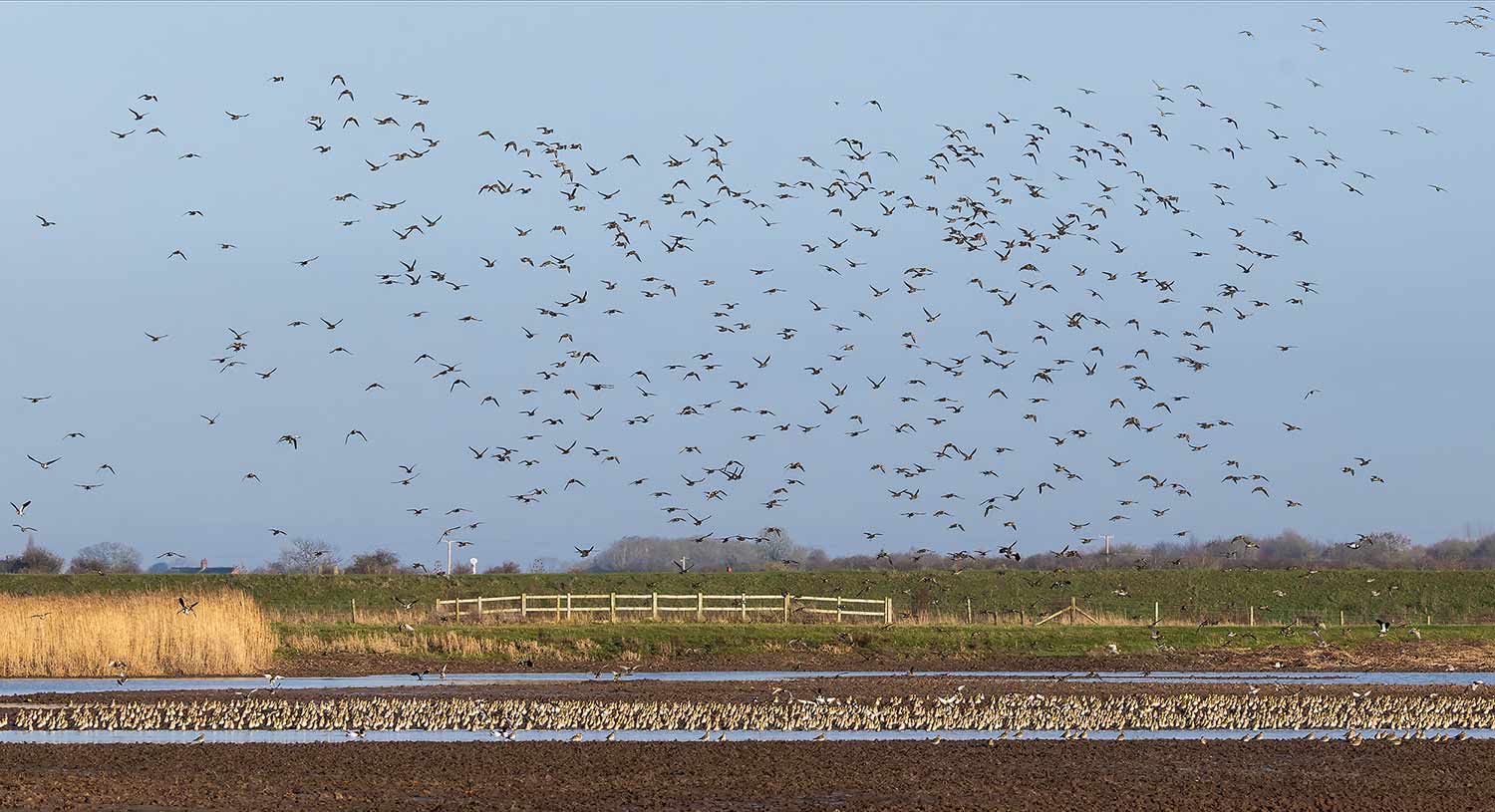
From the Reedbed Hide, although distant, there were large contingents of Golden Plover that occasionally took to the air - quite a spectacle in the sunlight although I have never successfully captured it in a photo. This was the best I could manage.
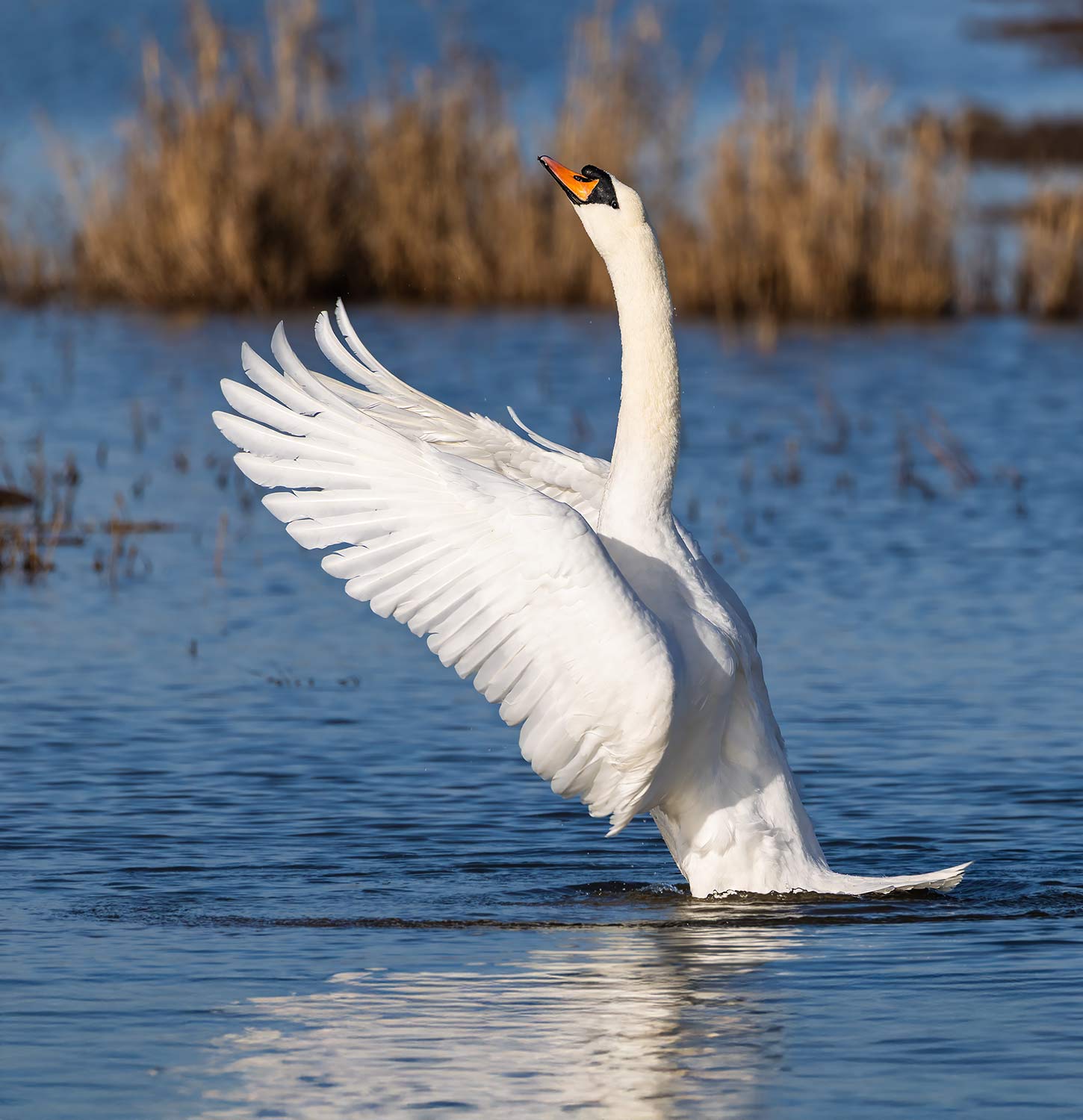
Walking back to the reception area at lunchtime, a lone Mute Swan gave a wing flap
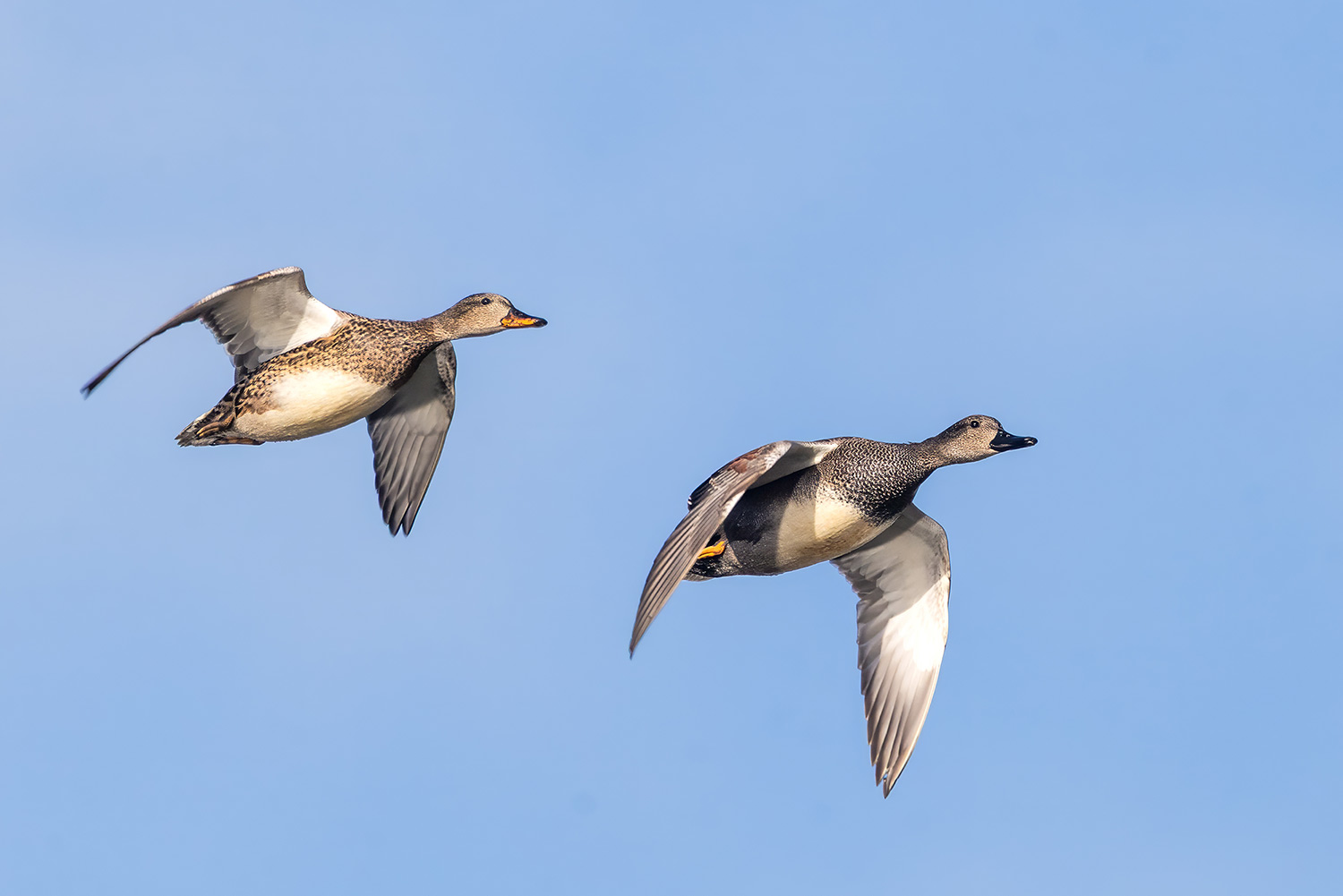
and a pair of Gadwall did a fly-past.
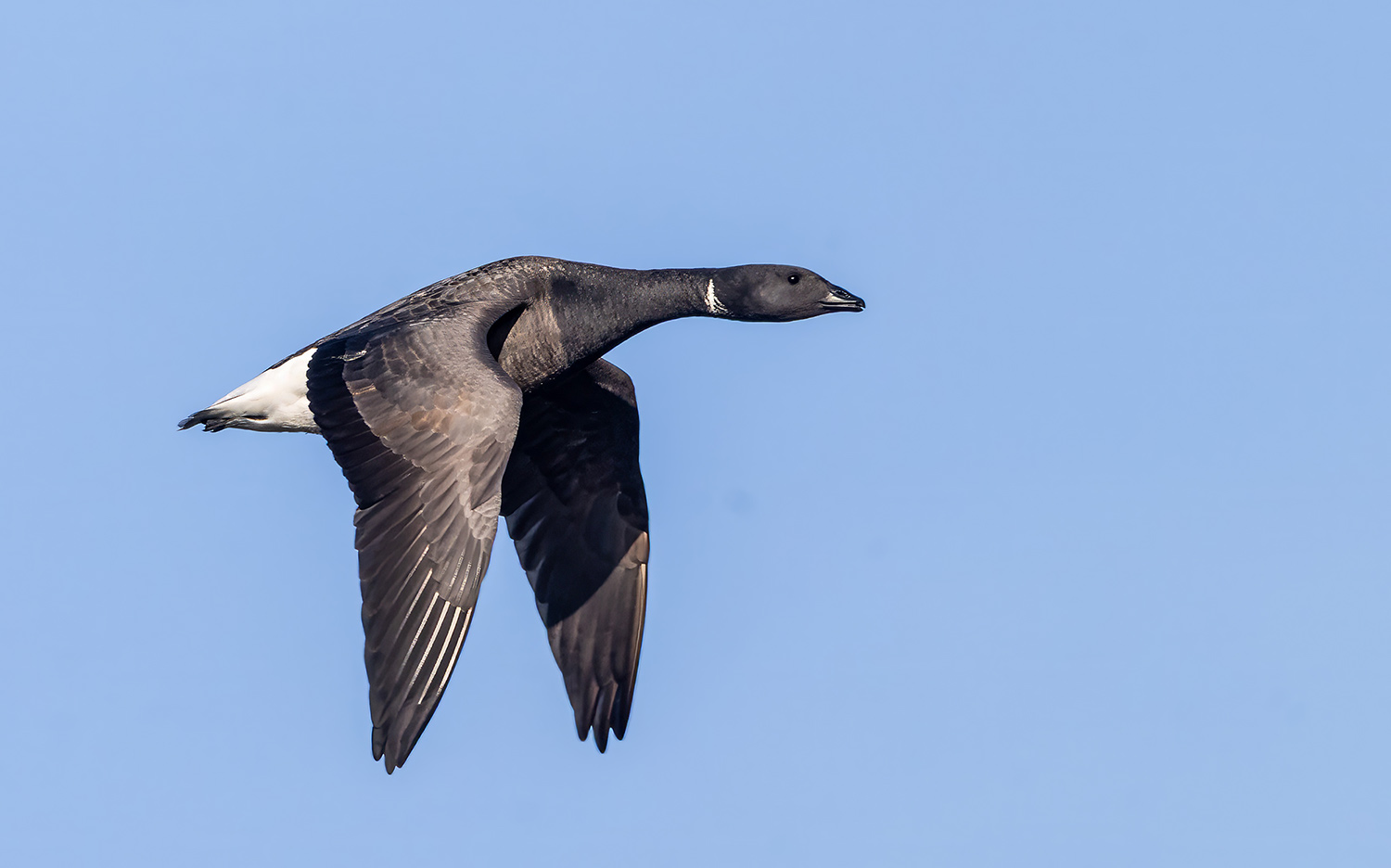
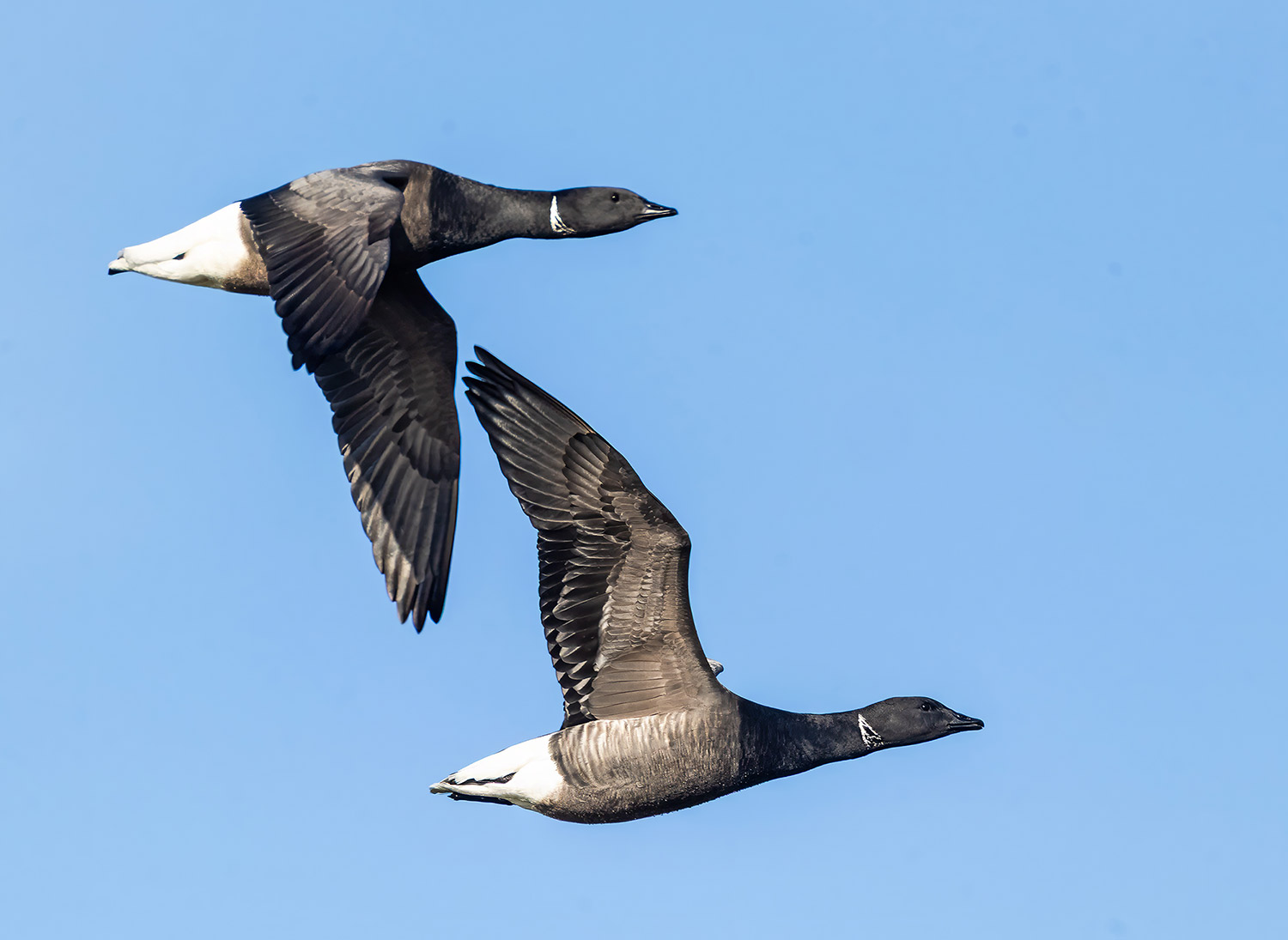
After relocating the car to the second car park, the entertainment was provided by small flocks of Brent Geese commuting between the coast and the wet grassland of the reserve.
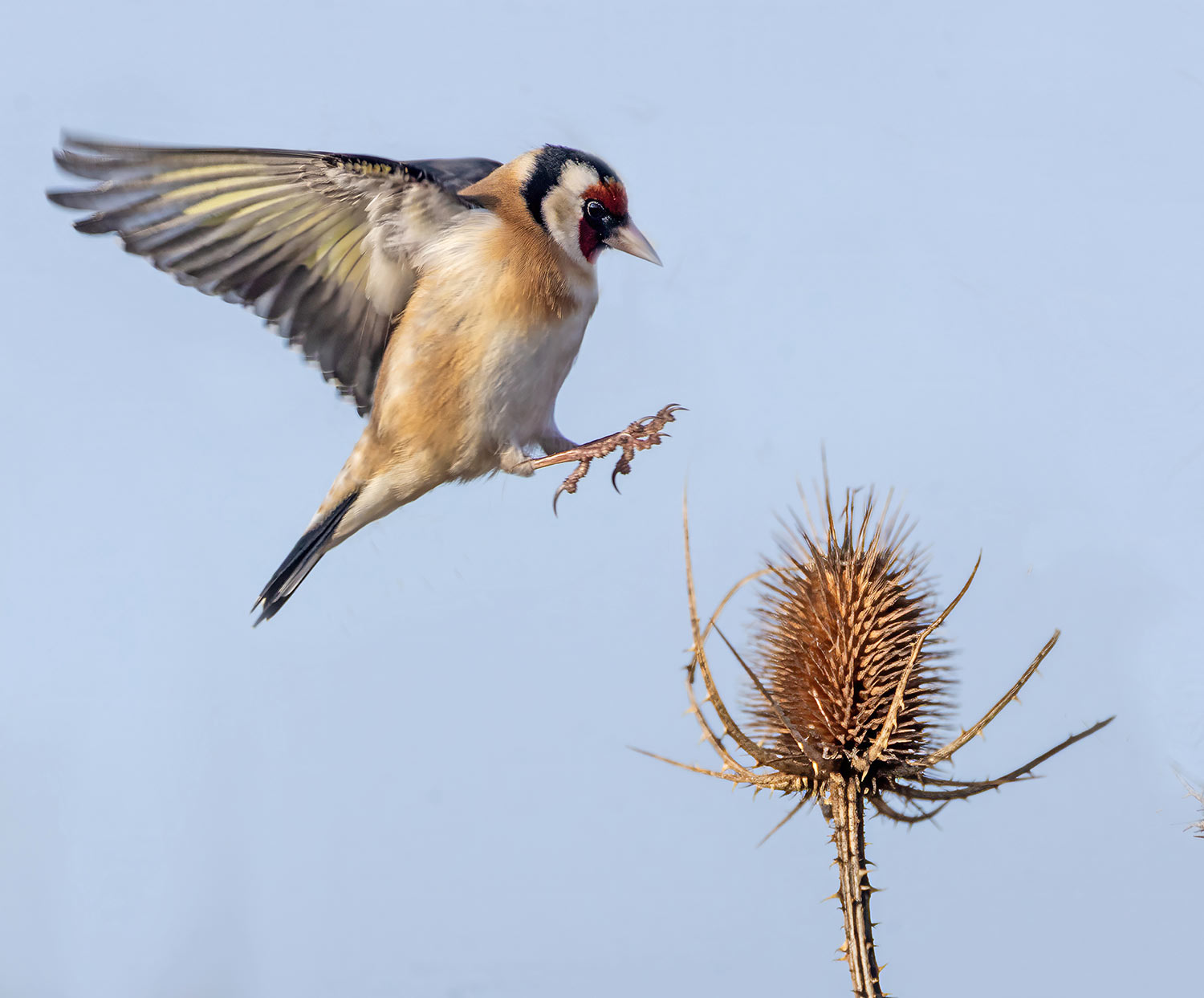
Returning to the reception car park, it was worth another look at the hides but the only birds showing was a small flock of Goldfinches feeding on the teasel along the path to the 360 hide
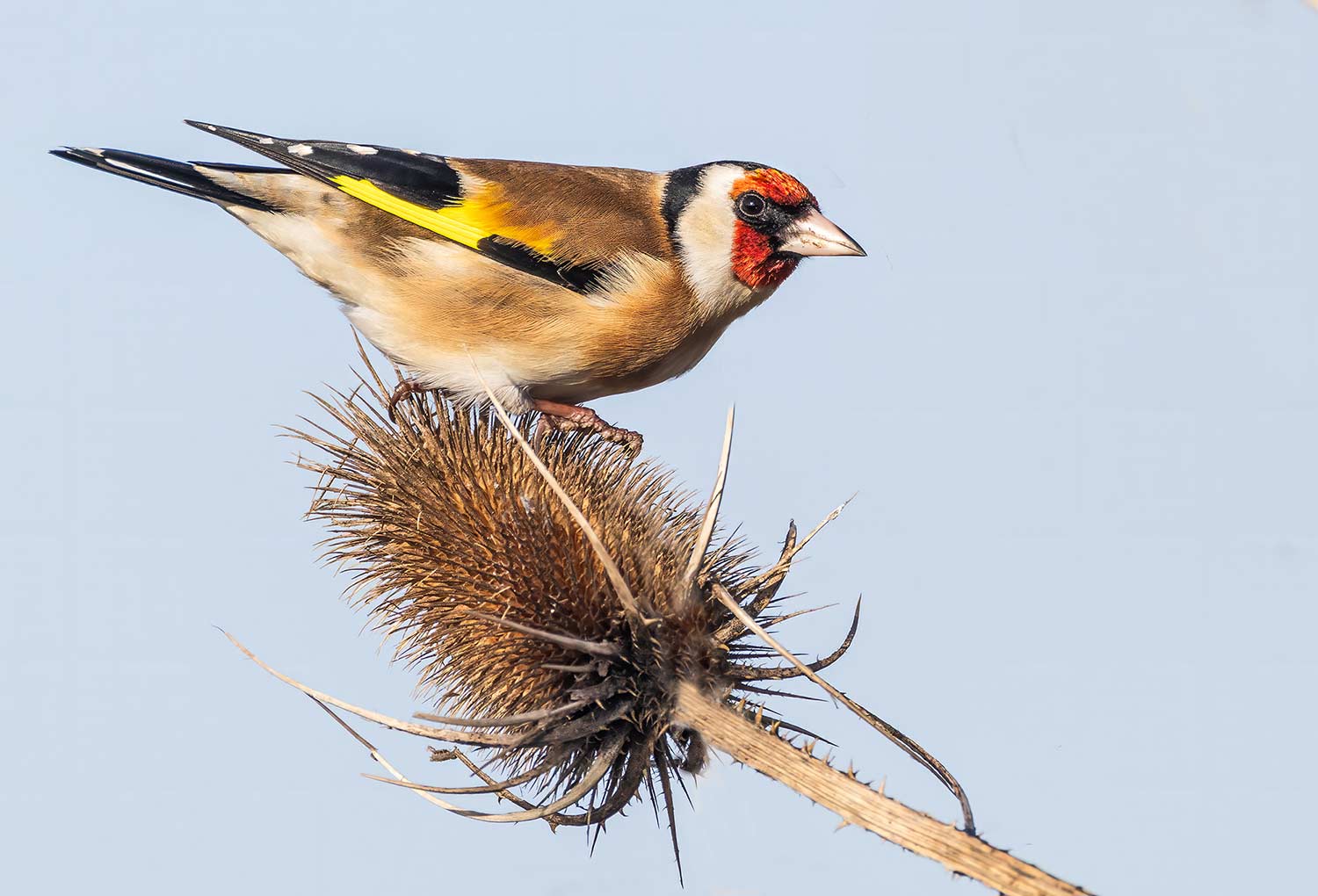
and providing probably my best shot of the day.
Returning to the car, the north side of the reception provided closer shots of Teal and Wigeon.
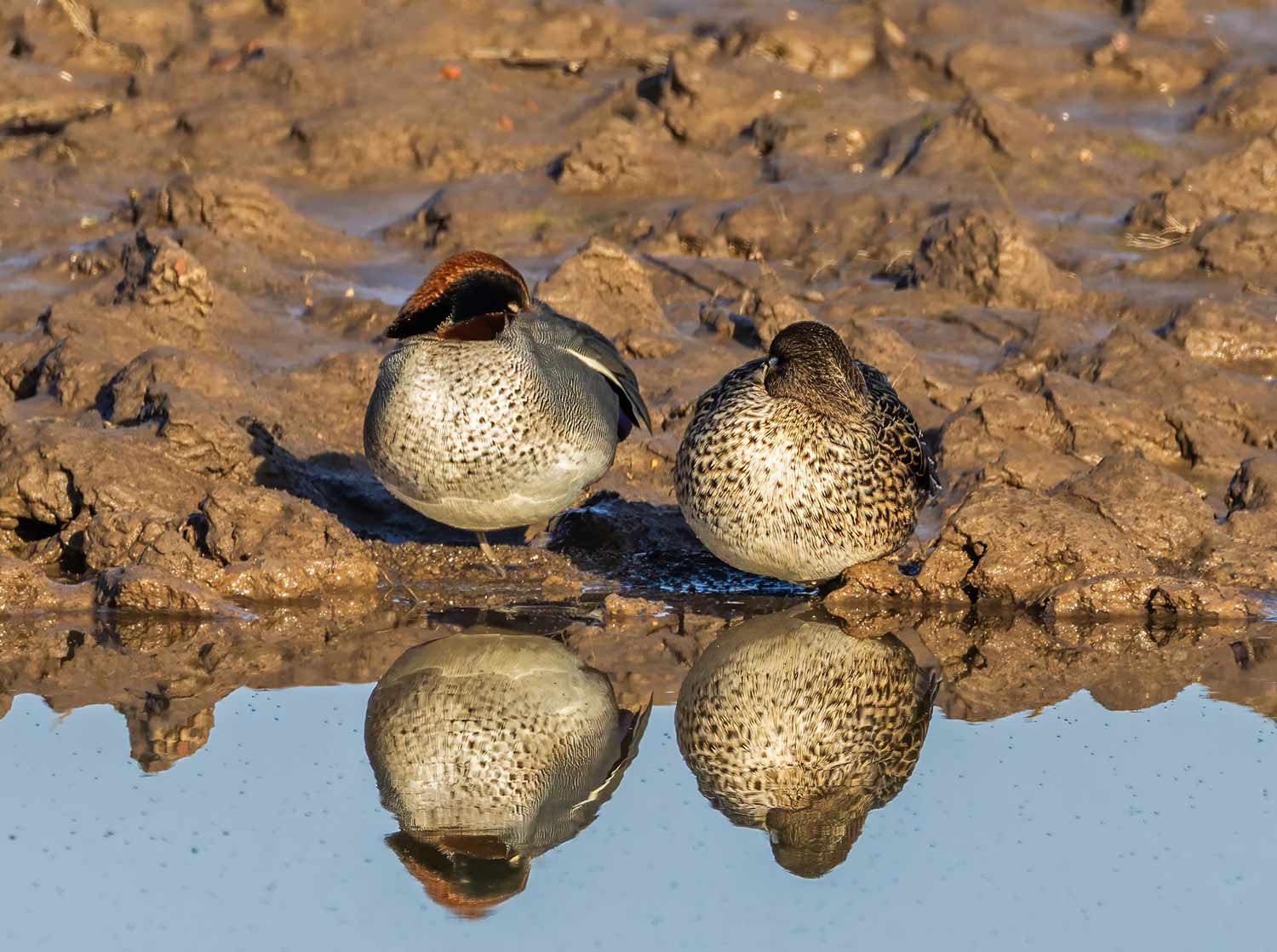
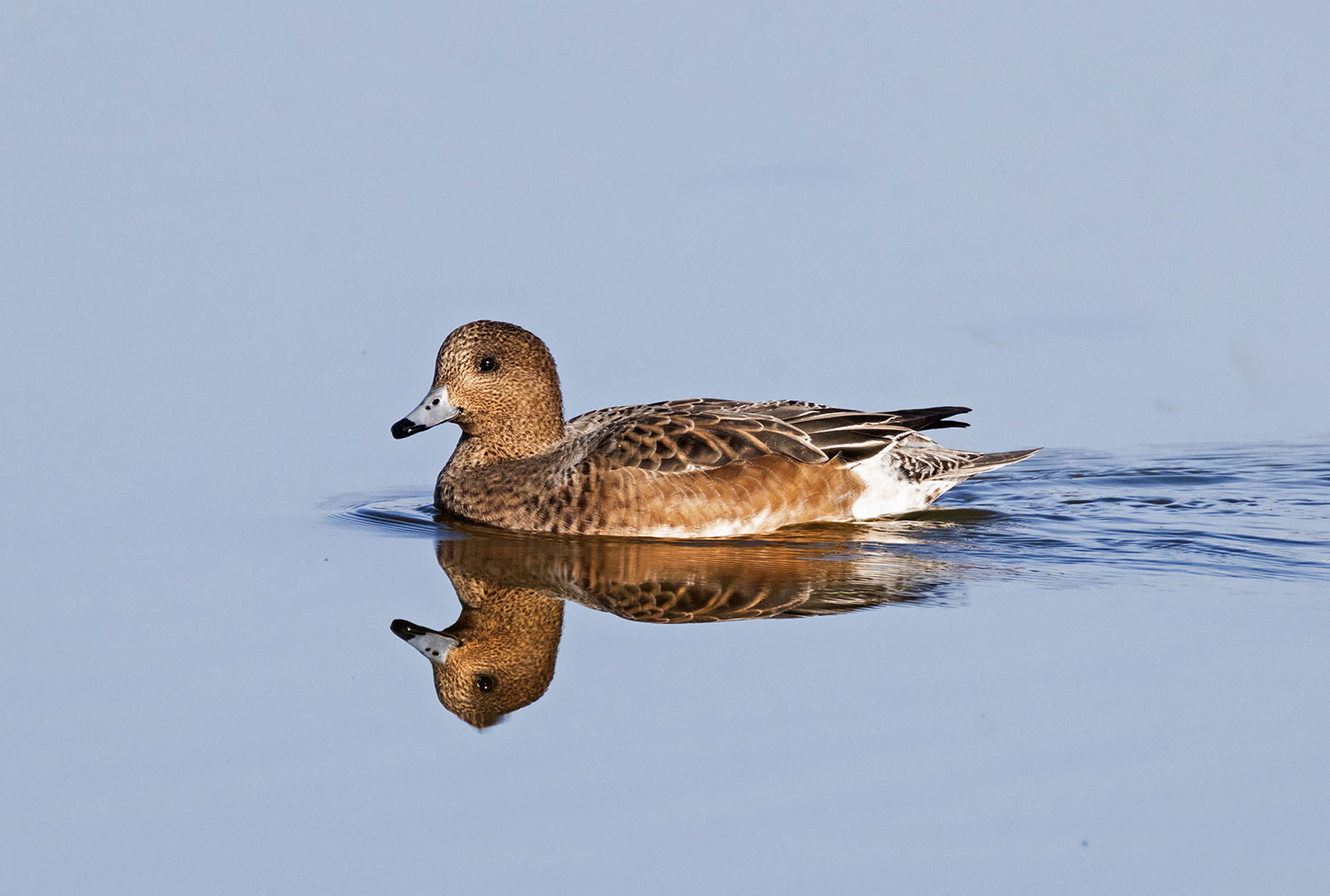
Almost perfect reflections in the calm sunny late afternoon.
So, like most places currently, photography was hard work with nothing earth shattering but still enjoyable.